

October 9, 2026
About the Author: S&C Music

The UAE is well known for hosting international concerts and music festivals, but its home-grown talent deserves just as much attention. From established stars of Arabic popular music to soul singers, classical performers and composers, Emirati artists offer a wealth of music to discover.
Their work reveals different sides of the country’s musical identity.
Some have reached audiences around the world, while others have helped shape the UAE’s independent music scene through original songs and distinctive performances.
Exploring their music can introduce you to unfamiliar sounds, deepen your understanding of the region and inspire your own learning.
This selection of music stars from the UAE you should know offers a listening guide, with each artist providing a different starting point for discovering the country’s music.
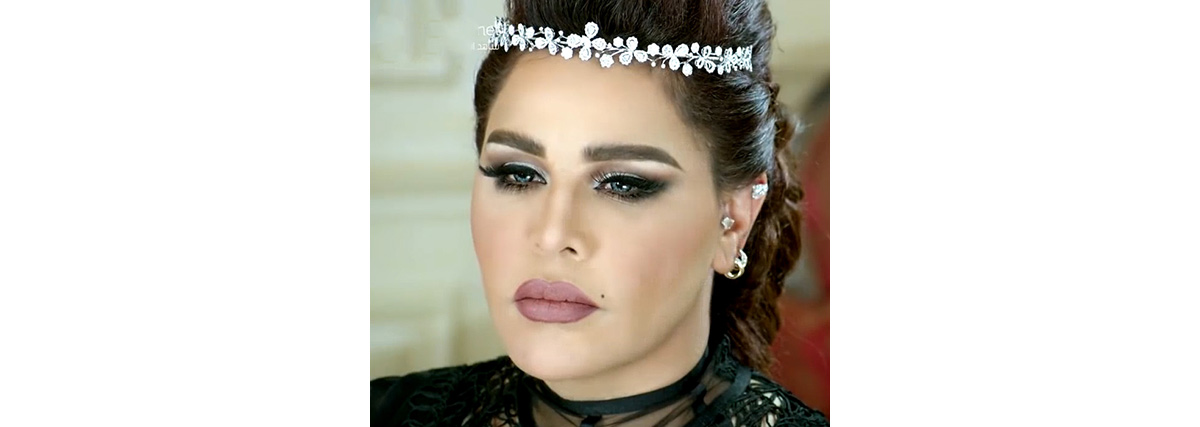
Ahlam Al Shamsi: A Longstanding Figure in Gulf Music
Ahlam Al Shamsi is an Emirati singer closely associated with Khaleeji music, the popular music of the Arabian Gulf.
The term Khaleeji means “of the Gulf” and refers to a musical tradition with distinctive rhythms, melodies and regional dialects.
Her debut album, Ahebak Moot, was released in 1995, marking the beginning of a recording career that has spanned decades.
Her role as a judge on Arab Idol also introduced her to a broad television audience.
Yet her music deserves attention beyond her television profile.
Listening to her recordings offers an opportunity to explore how a singer develops an individual sound within an established tradition.
Notice the melodic ornaments; the decorative turns added to a melody and how they shape a phrase.
Listen, too, for the contrast between quieter, restrained moments and more dramatic passages.
These details can help you appreciate how vocal expression gives a song its character.
For anyone learning to sing, Ahlam’s career provides a useful reminder that musical identity develops through experience, interpretation and a lasting connection with listeners.

Balqees Fathi: Emirati Upbringing and Yemeni Heritage
Born and raised in Abu Dhabi, Balqees Fathi has spoken about the importance of both her Emirati upbringing and Yemeni heritage.
In an interview with Vogue Arabia, she described how these influences have shaped her identity and the music she performs.
She has also shared the stage with internationally recognised artists, including Andrea Bocelli and Alicia Keys.
Her international collaborations include Light the Sky, a song from the official FIFA World Cup Qatar 2022 soundtrack, performed alongside Nora Fatehi, Manal and Rahma Riad.
Her background offers an engaging example of how different cultural influences can come together in one artist’s work.
Collaborations also introduce singers to new audiences and require them to contribute to a shared musical direction.
Try comparing one of her solo recordings with Light the Sky.
Listen for how her voice stands out during individual lines and becomes part of the wider sound when other singers join her.
Comparing live performances with studio recordings can be equally revealing.
You might notice changes in phrasing, accompaniment or the way she communicates with an audience.
Looking beyond her public image allows her repertoire, interpretation and vocal presence to take centre stage.
Shamma Hamdan: Singing With a Guitar and an Individual Style
Shamma Hamdan is an Emirati singer and musician from Dubai who reached the final of Arabs Got Talent in 2012.
Her combination of singing and guitar playing helped introduce audiences to a distinctive young performer.
For listeners interested in singing while playing an instrument, her performances offer an appealing starting point.
The guitar can do more than accompany a voice: its rhythm, accents and pauses can influence how a singer delivers the melody.
Watch how the vocal line and instrumental part fit together.
Does the guitar follow the phrasing, maintain a steady rhythm underneath it or fill the spaces between sung lines?
Paying attention to these relationships can make a performance more rewarding to hear.
Her story also highlights the value of developing an individual style.
A television competition may provide exposure, but the more useful lesson for aspiring musicians is how an artist brings together their skills and musical interests.
Hamdan Al Abri: Soul, R&B and Original Music
Hamdan Al Abri, professionally known as ABRI, is an Emirati singer-songwriter and a founding member of the Dubai-based band ABRI.
The band’s albums include Sunchild and Blank Notes, while his wider work encompasses solo projects and collaborations with other musicians.
His music brings soul and R&B into the picture, alongside funk and jazz influences.
In 2014, he joined Herbie Hancock on stage at the Abu Dhabi Festival, connecting local talent with an internationally celebrated musician.
ABRI’s work broadens the idea of what Emirati music can sound like.
An artist’s nationality does not restrict them to one genre or language, and his English-language music is part of the UAE’s varied musical landscape.
When listening, pay attention to the relationship between the voice, bass and drums.
Notice how the vocal phrases sit within the rhythm and how the spaces between them allow the instruments to respond.
For singers, this offers an introduction to groove: the rhythmic feel that makes a performance flow.
Expression can come from the placement of a phrase just as much as from its melody or volume.
Arqam: Soul Music With a Sense of Purpose
Arqam is an Emirati soul artist who left the corporate world to pursue music and conscious entrepreneurship.
His sound combines traditional soul influences with contemporary neo-soul, while his lyrics explore positivity, reflection, love and purpose.
His story may resonate with adults who want to make more room for creativity.
Although few listeners will follow the same career path, his experience offers encouragement to take a musical interest seriously.
As you explore his songs, consider how the vocal delivery supports the words.
A reflective lyric might invite a softer approach, while another passage may call for greater intensity.
Listen for changes in tone, emphasis and phrasing that help communicate the message.
This is a useful listening exercise for anyone learning to sing.
Rather than focusing only on the notes, ask what the song is trying to express and how the performer brings that meaning to life.
Fatima Al Hashimi: An Emirati Presence in Classical Singing
Fatima Al Hashimi introduces another dimension to this selection: classical singing.
She has appeared in the Abu Dhabi Festival’s international programme, including a concert at Kensington Palace in June 2025.
The festival also lists a recital with pianist Ina Chareli, featuring a programme that brings together classical and traditional Arabic repertoire.
It offers an opportunity to explore how different musical traditions can share the same concert setting.
Her performances invite listeners to focus on the partnership between singer and pianist.
The piano supports the melody, establishes the atmosphere and responds to the shape of the vocal phrases.
Listen for diction — the clarity and expression of the words, as well as changes in tone and dynamics.
Notice how the accompaniment and voice work together, particularly at the beginnings and endings of phrases.
Including a classical performer alongside popular and soul artists gives a fuller sense of the UAE’s musical variety.
It also encourages listeners to explore repertoire they might otherwise overlook.
Ihab Darwish: Composition on an International Scale
Emirati composer Ihab Darwish expands this musical journey beyond the singing voice.
His works include Waves of My Life and Hekayat: Symphonic Tales, the latter presented through the Abu Dhabi Festival in 2021.
He also collaborated with composers John Debney and David Shire on Symphony of Three: Peace, Love, Tolerance, a project released in 2022 that brought together musicians from different cultural and religious backgrounds.
A composer communicates through melody, rhythm, structure and instrumental colour.
Darwish’s work offers an opportunity to hear how these elements combine to create a musical narrative on a larger scale.
Choose a recurring melody or theme and follow it through a piece.
Notice what happens when it moves from one instrument to another, or when the surrounding texture becomes fuller or quieter.
Even without studying composition, you can begin to hear how musical ideas develop.
For readers interested in arranging, orchestral music or writing their own pieces, his work provides another rewarding route into the UAE’s creative landscape.
Discover the UAE Through Its Musicians
There is no single sound that defines the UAE’s music.
The artists featured here offer different ways into a landscape shaped by regional traditions, individual creativity and international influences.
Start with an artist who interests you, then listen beyond their best-known performance.
Compare a studio recording with a live version, or explore a collaboration alongside a solo release.
Focus on one element at a time: the voice, rhythm, lyrics, instruments or emotional atmosphere.
These listening habits can deepen your enjoyment of music and give you ideas for your own singing or playing.
Most of all, let this selection be the beginning of your discovery; there are many more musicians and recordings to explore.
If these artists inspire you to find your own voice, discover singing lessons at S&C Music in Dubai and take the next step in your musical journey.